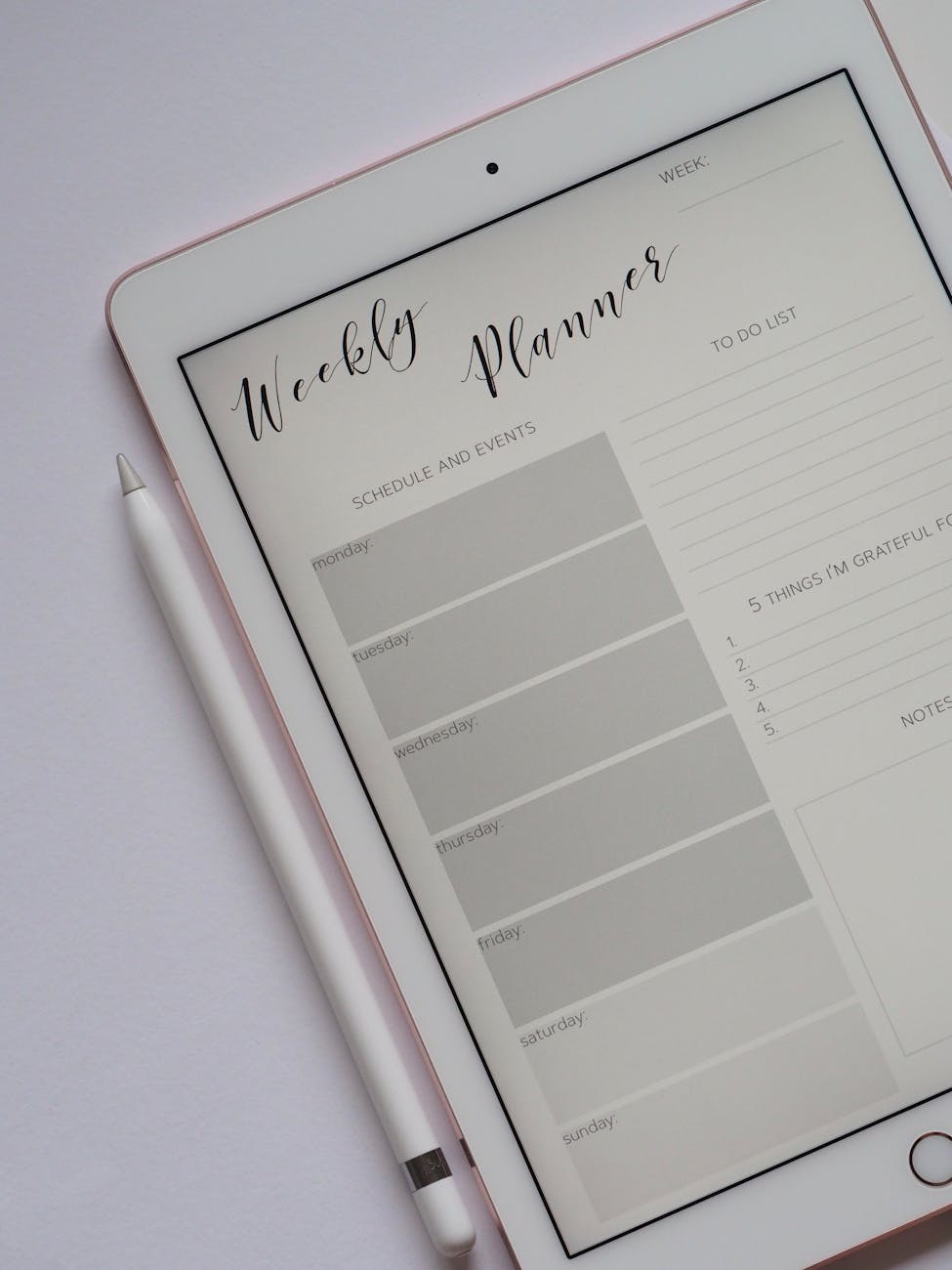
Anyone who knows me knows I’m a big advocate for “write it down”. At work all my tasks and duties for the days and weeks are mapped out for myself so that I can keep track of all my deadlines as well as upcoming meetings and special events with the company. I also like to keep a task list on hand in case any of my supervisors inquires on what I am working on since most of my work duties are independent within a team structure. I find it pleasantly surprising when my manager asks my plans for the day, and I can give them a full list to show how productive I am as well as my proficiency in time management. Since my early school days, I loved keeping an on-hand planner that I can keep track all my assignments and due dates as well as all my extracurricular activities. In school I was also in band, so I scheduled out all my rehearsals and practice sessions to keep track of how often I am practicing. I learned at a young age that having an up-to-date planner not only prepares you for important upcoming activities, but also gives a road map on how often you should be focusing on different tasks. It shows what you accomplished throughout the week and how you can make the next week even more productive.
When using a planner, I also use it to gauge how busy I am and how it affects my health. I must prioritize sleep as everyone else should, so I analyze the days that I get the most rest and when I am burning oil from lack of sleep. If for some reason I’m not getting enough sleep or time to complete essential tasks such as studying and spending quality time with my daughter, I know I must rearrange my schedule for the next week. Planners are great in that they help map out the things that are most important to you, the things that need to get done, and activities or goals you may have. This post isn’t necessarily about budgeting but planning out all the daily tasks can certainly assist with creating a stable budget. I like to annotate all the days that I get paid so that I can remember that I need to make a new budget for my income.
Everyone has a different way that works best for them to create a consistent planner to help with busy schedules. Some people might like to have their planners electronic so that they have easy access to it with their phones. Others may be old school and like to physically write on paper and have a book of everything they need. I personally like to use a combination of both, having my iPhone calendar with all my important appointments and deadlines with a physical planner that goes in to detail of my day-to-day tasks. I also love to incorporate colors and designs into my planner to give more excitement. I’ve used a few Happy Planners and have enjoyed the versatility and creativity in their outlines. I also have grown to love planner stickers, and I have gained quite a collection of stickers to use at home and work for my calendars. I’ve also learned that stickers make great gifts for family, friends, and coworkers.
Currently I am using a school planner I purchased from my university. It is simple, however gives me enough space to write down everything important in my life so that I can balance school with work and family duties.
Another piece of advice I have for using planners is not getting too ahead of yourself but also having long term goals. I’ve learned from the past that overbooking is a real thing and tends to happen when you book everything too far in advance. That doesn’t necessarily account for all aspects of life such as a college course that has a required syllabus already outlined for the semester. My suggestion is to map out your course studies first and work around your study schedule since that is a variable of planning that will not change in the next few months.
At this point after mapping out your courses you would have to schedule work around studies. I personally have a regular full time day job where my schedule does not change unless it is a holiday, or I am taking PTO. However, if you have a job or multiple jobs where your schedule varies, it’s best to get those schedules documented as far out in advance as possible so that you can create a study schedule during the hours you are not working.
Once you start seriously planning with a planner you will come to realize that you may anticipate getting more things done than you realistically can. Keep in mind that with sleep, eating, work, and studying there are very few hours left in the day, especially those who hold down full-time work and school schedules and who may also have children. Among all the essentials we must factor in hygiene, cleaning, cooking, hobbies and spending quality time with friends and family. Having a planner not only frees up the space to be able to have time for the things we want to do, but also prioritize our essential daily tasks.
If you are a beginner planner and you are a student, my first suggestion would purchase a planner that is provided by the school. They usually have their planners outlined by that school’s semester and important dates so that you can plan out class work accordingly. If you are not in school, go to your local Wal-Mart or Target and get a simple planner that has a calendar and space for you to write a to-do list for every day. Over time you will find your own niche way of designing your planners and making them function as an important tool in your daily habits and lifestyle.
Happy Planning!!!


 Study.Work.Travel.
Leave a comment